
The Rise of Balloon Dog Art: A Colorful Exploration of Contemporary Sculpture
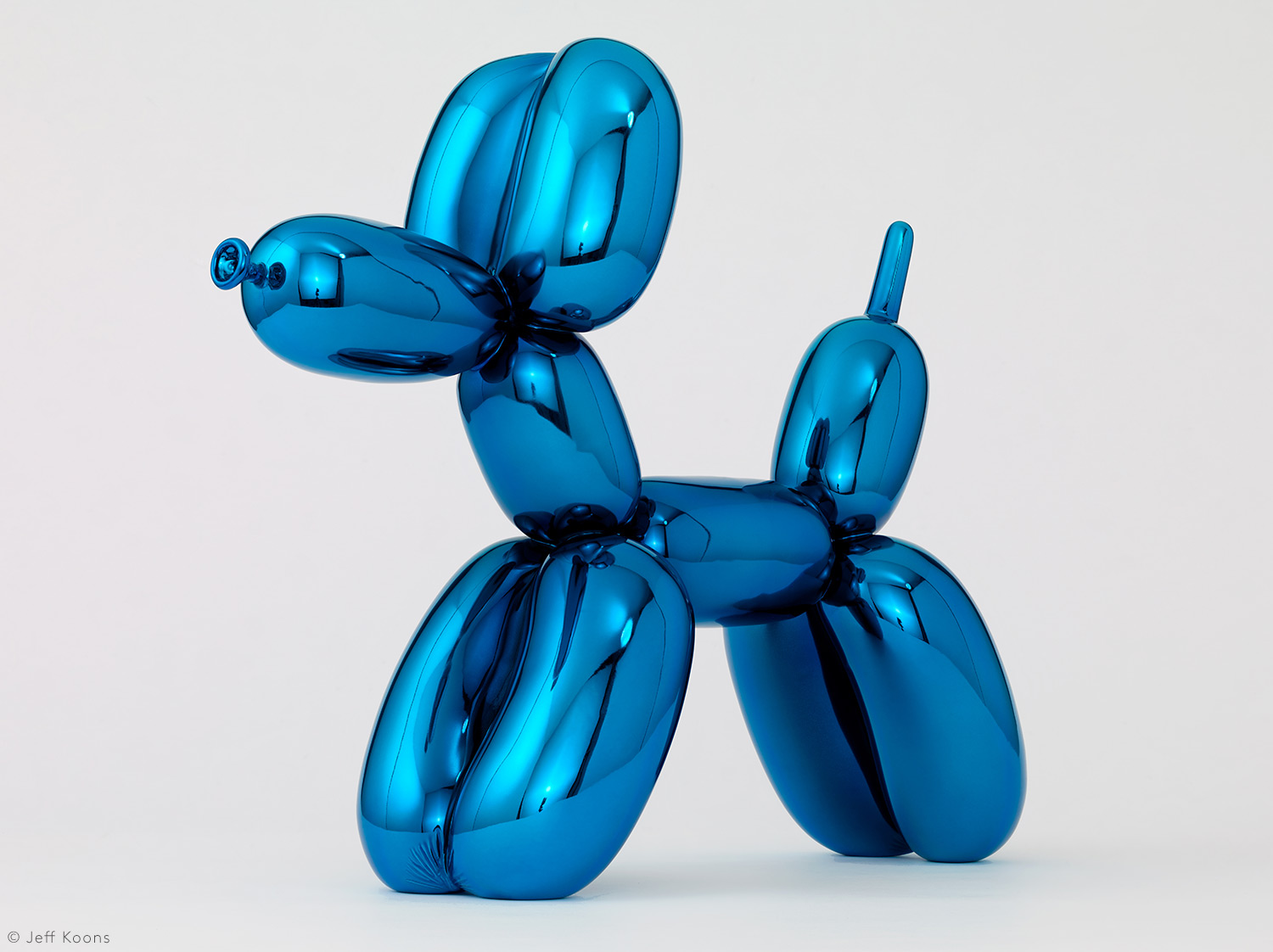
In recent years, balloon dog art has emerged as a vibrant and distinctive trend within the realm of contemporary sculpture. Originating from the whimsical world of balloon animals, this art form transcends its playful beginnings, embodying a fusion of creativity, consumer culture, and artistic expression. This article delves into the evolution of balloon dog art, its cultural significance, and its impact on the modern art landscape.
Origins of Balloon Dog Art
The concept of balloon dog art can be traced back to the playful nature of balloon twisting, a popular entertainment form at parties and events. However, it was not until the rise of contemporary artists like Jeff Koons that balloon animals were elevated to the status of fine art. Koons’ Balloon Dog sculptures, crafted from stainless steel with a high-gloss finish, debuted in the late 1990s and quickly gained notoriety, blurring the lines between commercial art and high culture.
Koons’ works challenge traditional notions of sculpture, inviting viewers to reconsider the role of materials and forms in art. By using the familiar shape of a balloon dog, Koons created a dialogue between childhood nostalgia and adult consumerism, prompting discussions about value, artifice, and the nature of artistic creation.
The Aesthetic Appeal of Balloon Dog Art
One of the defining characteristics of balloon dog art is its vibrant color palette. These sculptures often feature bold, glossy finishes in a range of eye-catching hues, making them visually striking and accessible. This aesthetic quality contributes to their popularity among collectors and art enthusiasts alike.
The playful nature of balloon dog art also resonates with audiences on an emotional level. The imagery evokes feelings of joy and whimsy, transporting viewers back to simpler times. This ability to connect with audiences through nostalgia and humor is a crucial element of its appeal, distinguishing balloon dog art from more traditional or abstract forms of sculpture.
Cultural Significance and Market Trends
The rise of balloon dog art reflects broader cultural trends, particularly the intersection of art and consumerism. In an age where mass-produced items dominate, balloon dog sculptures serve as a commentary on the nature of art as both a collectible and a commodity. Koons’ Balloon Dog sold for a staggering $58.4 million at auction in 2013, highlighting the market’s willingness to invest heavily in contemporary pieces that challenge traditional artistic boundaries.
Moreover, balloon dog art has found a place in public installations and exhibitions, further solidifying its status in contemporary art. Major art fairs, galleries, and museums have embraced this playful medium, showcasing the works of various artists inspired by the iconic balloon dog form. This widespread recognition has fostered a growing community of artists and collectors dedicated to exploring the possibilities within this unique genre.
Emerging Artists and Diverse Interpretations
As balloon dog art gains traction, a new generation of artists is emerging, each offering their unique interpretations of the form. Some artists experiment with different materials, such as ceramic or fiberglass, to create variations on the classic balloon dog shape. Others explore themes of identity, culture, and social commentary, using the balloon dog as a symbol to address larger societal issues.
For instance, artists may incorporate elements of street art or pop culture into their balloon dog sculptures, further expanding the narrative possibilities of this form. These innovative approaches contribute to the evolution of balloon dog art, ensuring its relevance in contemporary discussions about art and society.
The Future of Balloon Dog Art
Looking ahead, the future of balloon dog art appears promising. As artists continue to push boundaries and experiment with new ideas, the potential for further growth and diversification within this genre is substantial. Additionally, the increasing interest in interactive and immersive art experiences may lead to innovative installations that incorporate balloon dog art in dynamic ways.
The rise of digital art and virtual reality also opens new avenues for balloon dog art, allowing artists to create interactive experiences that engage audiences in unprecedented ways. This technological integration may redefine how viewers interact with balloon dog sculptures, further blurring the lines between traditional and contemporary art forms.
Conclusion
In conclusion, balloon dog art has become a significant and colorful aspect of contemporary sculpture, blending whimsy with profound commentary on consumer culture and artistic expression. As this art form continues to evolve, it reflects broader trends in society and the art world, offering a playful yet thought-provoking perspective on the role of sculpture in our lives. The enduring appeal of balloon dog art lies in its ability to resonate with audiences emotionally while challenging them to rethink the boundaries of artistic creation. As we look to the future, it is clear that balloon dog art will remain a vibrant and integral part of the contemporary art landscape.